Lessons from Testing Contextual Retrieval on Multiple Datasets
We tested Contextual Retrieval across multiple datasets to understand whether it still improves RAG systems in 2026, compared to base retrieval and modern rerankers. Here's what we found

Lessons from Testing Contextual Retrieval on Multiple Datasets
We tested Contextual Retrieval across multiple datasets to understand whether it still improves RAG systems in 2026, compared to base retrieval and modern rerankers. Here's what we found

Claude Code: perché tutti ne parlano?
Oggi vi vorrei parlare di Claude Code senza filtri. E non vedevo l’ora.

Cosa abbiamo imparato testando la Contextual Retrieval su diversi dataset
Abbiamo testato la Contextual Retrieval su diversi dataset per capire se nel 2026 migliora davvero i sistemi RAG, confrontandola con il retrieval base e con l’aggiunta di reranker moderni. Ecco cosa abbiamo scoperto

RAG Evaluation: Using Claude Skills to craft a truly challenging Q&A set
To truly evaluate a RAG system, public benchmarks aren’t enough—you need datasets that reflect real-world difficulty, including multi-hop questions, wide reasoning, and heterogeneous knowledge bases. In this article, we show how we designed a char-based, chunk-agnostic framework with easy/medium difficulty levels and human validation, leveraging Claude Skills and LLM retrievers to generate questions, answers, and evidence spans. The result is a public dataset based on D&D SRD 5.2.1 (plus two internal datasets), built for reproducible and comparable RAG pipeline testing.

Evaluation per RAG: usare Claude Skills per progettare un dataset Q&A di livello avanzato
Per valutare davvero una RAG non bastano i benchmark pubblici: servono dataset che riflettano difficoltà reali come domande multi-hop, wide e knowledge base eterogenee. In questo articolo mostriamo come abbiamo progettato un framework char-based, chunk-agnostic, con livelli easy/medium e controllo umano, e come usiamo Claude Skills e LLM retriever per generare domande, risposte e passaggi. Il risultato è un dataset pubblico basato su D&D SRD 5.2.1 (più due dataset interni) pensato per testing riproducibile e comparabile di diverse pipeline di RAG.

Oggi lanciamo Datapizza AI - il framework open source per portare la Generative AI in azienda
Nasce Datapizza AI: il framework open-source per costruire sistemi multi-agent AI e soluzioni RAG pronte per la produzione, che abbiamo deciso di rilasciare open source per tutti.

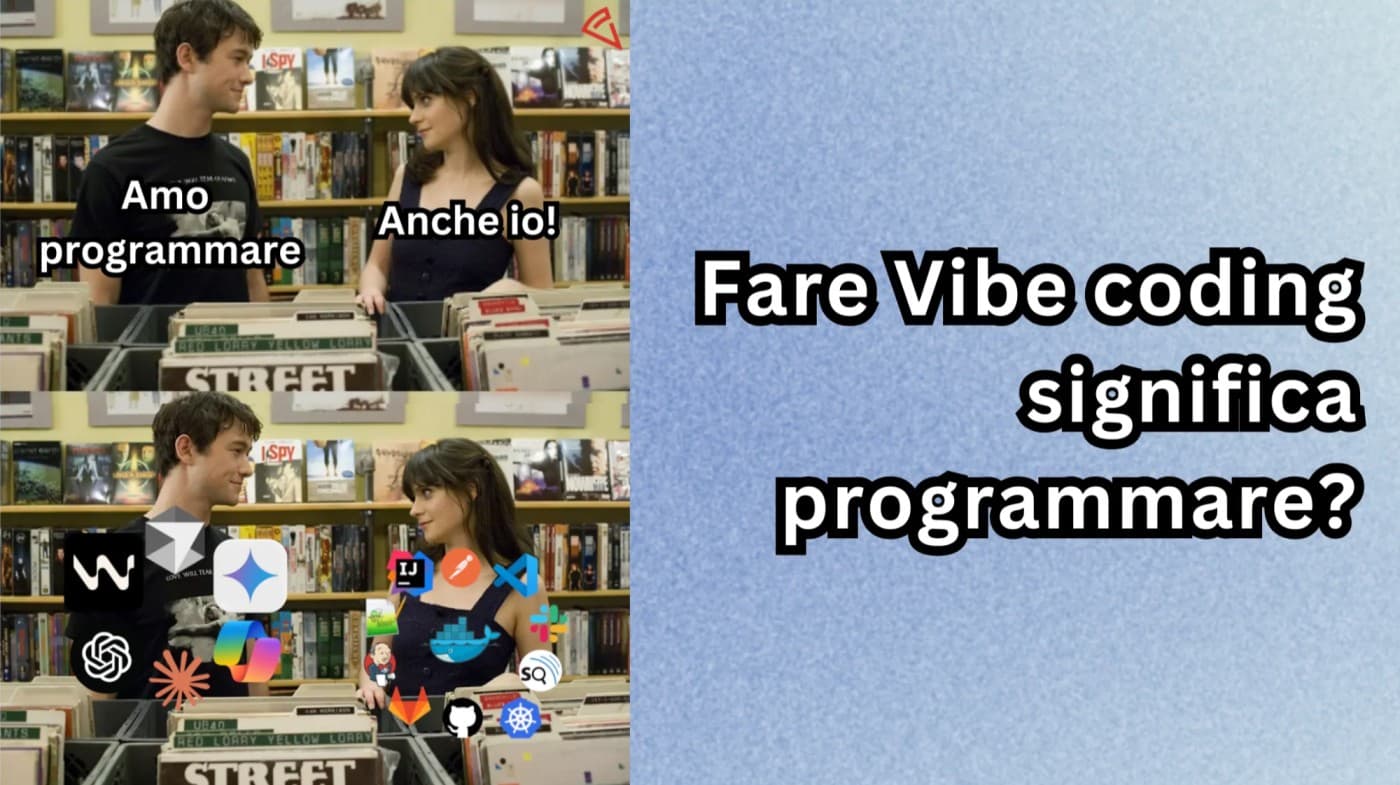
Fare Vibe coding significa programmare?
Secondo il report “The state of Vibe Coding 2025” di v0, il vibe coding sta riscrivendo le regole dello sviluppo software.

La nuova AI di Google rivoluziona lo sviluppo degli algoritmi
A fine 2024, il CEO di Google Sundar Pichai, ha affermato che il 2025 sarà un anno critico per Google, sottolineando la necessità di muoversi più velocemente come azienda di fronte alle sfide tecnologiche, in particolare nell'ambito dell'AI. 🙌

Come costruire la tua Web App - Le tecnologie fondamentali nel 2025
Scopri le tecnologie fondamentali per costruire applicazioni web moderne nel 2025: TypeScript, Next.js, tRPC, Prisma e Tailwind. Una guida completa alla Tech Stack ottimale.